Showing posts with label James C. Brett. Show all posts

Monday, June 7, 2021

There's Acrylic and Then There's Acrylic!

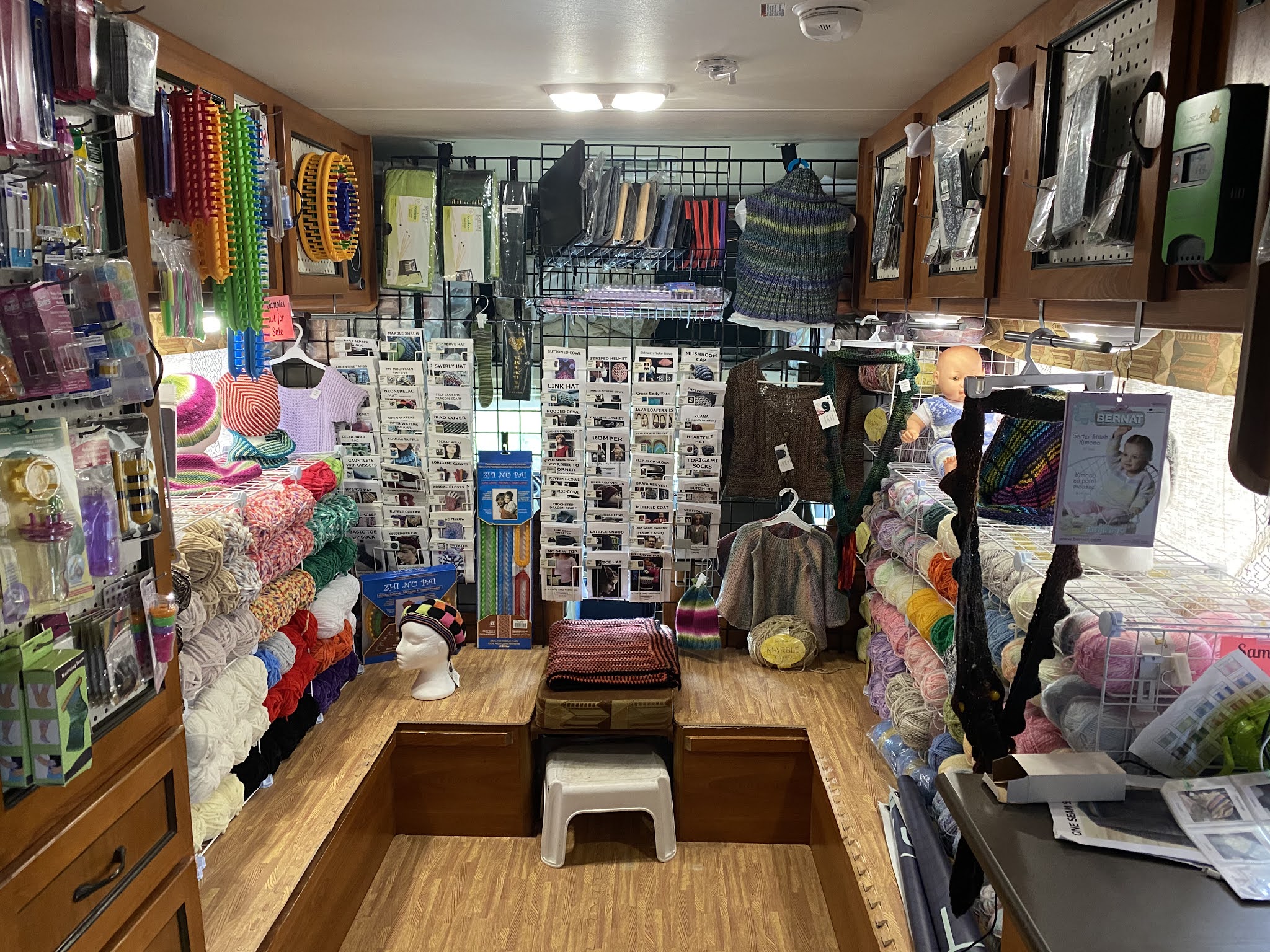
 This week in the pop up store we are featuring James C. Brett yarns from the UK.

On the left when you walk into the store, you will find all the Flutterby, a 100% polyester chenille yarn that works to the same gauge as Bernat Blanket but is so much softer and drapey. It is the best yarn (in my humble opinion) for baby blankets, and I have also used it in a simple kid's T-shirt pattern. 

To round out the colour choices, I have included Universal Bella Chenille which is basically the same yarn but comes in a smaller ball (120m vs 176m). Also on that side is the chunkier Flutterby Animal Prints which will appeal to those with a wilder side. 😉

On the right side you will find the acrylic yarn known as 'the wool lover's acrylic'. As a person who works with yarn, you know that it is difficult to buy yarn without touching it first. The 'hand' of a yarn can make all the difference to whether or not the finished product is loved to death or thrown in the corner or pushed to the back of a closet never to be seen again.

For those, like me, who have trouble working with non-Merino wool and only had the scratchy wool to choose from as a beginner knitter, acrylic was the go to yarn. To be fair, things have changed but, in the '70's, a lot of that yarn felt like plastic. Some still does. James C. Brett's line of Marble yarns, on the other hand, does not feel like plastic. It feels like a quality, non-itchy wool to those who prefer the natural fibres. Hence, it's nickname. 

That side has also been rounded out with some Marble wannabe's from other manufacturers and, while the colours are on par with the quality one would expect from JCB, you will notice, upon handling, that some of them are slightly more plastic-y than the Marble yarns.

You will also notice that a number of my patterns make use of these JCB yarns so check those out too while you're in the store this week.

written by Lori, tardy TCL owner, who neglected to realize it was Monday until after supper, so I apologize for the late blog entry. I'll try to not let it happen again.

Monday, May 7, 2018

Have you taken your pulse lately?

From my senior perspective - there are two seasons of each year we focus on our body image - just after a new year and spring as we contemplate the dreaded "bathing suit season"


Crafters know patience and persistence are essential - to achieve anything. Again from my senior perspective - is the perfect body worth it? Not in my opinion!!

A better body definitely! Quoting from Heart and Stroke Canada the first key steps are to:

  • Eat well
  • Get moving
  • Maintain a healthy weight
  • Stop Smoking 
  • Manage stress
How to "manage stress"? I am of the opinion it is easier to say than to do. 

Karen Behar, Mavis Marteinson Associates, Calgary, states "when clients ask us to recommend ways to reduce stress, one of our suggestions is to take up a creative activity. Doing something creative that you really enjoy, like knitting or sewing can be a very positive distraction from stress."

So just to add to everyone's stress, The Crafty Lady has decided we (the store, contents and employees) are going to move. I am learning moving a store is just as or even more stressful than moving home and/or schools.

As part of the move, The Crafty Lady is sorting through older patterns and books to determine what must be kept. I am an avid pattern reader, so was thumbing through one during my lunch in the park. The concept everything old is new again was reinforced.

Quoting from the 1995 issue of Crafts Plus "according to a new clinical study sponsored by the American Home Craft Association, supervised by Dr. Robert Reiner of the NY University Medical Centre. Dr. Reiner's study found heart rates actually decreased by seven to 11 beats per minute when the women were knitting and sewing, the heart rate actually increased for people playing cards, reading, watching videos and painting."

I am just learning how essential taking your pulse can be to self-awareness as an indicator of stress and heart health. So to help with managing your stress and taking your pulse . . .

This week's 75% off sale features 
James C. Brett's 
Pulse 
This is a chunky, slubyarn - spun thick to thin - to increase texture while adding tonal heatherings to add dimension to your projects. James C. Brett suggests 6 mm needles, so it will work up really quickly - reducing our deadline stress.

As a chunky, this yarn is perfect for outerwear on cooler evenings. It is a superwash wool and acrylic blend to wear well and keep you warm!


Pulse
138 m / 151 yds
54% superwash wool/46% acrylic

Reg. $13.00

Sale
      $3.25


Posted by Anne, happy TLC employee - who knits to reduce my stress and create a lower pulse rate!


Monday, November 20, 2017

South of the Border...Down Mexico Way...

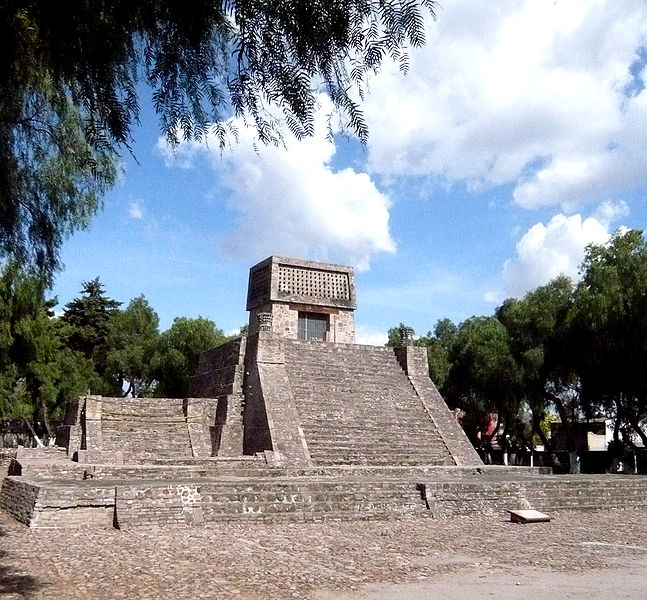
The Aztecs Pyramid
at St. Cecilia Acatitlan,
Mexico

While both llama and alpaca are found around Alberta today, these animals originated in the highlands of South America, and were domesticated by the various peoples living there at the time.  Both are descended from the Camelid family (yes, that's just what you think it is!)

Both -- according to archaeological evidence -- can trace their ancestry back about 45 million years, originating on what is now North America.  Between the arrival of the Ice Age, alterations in habitat, and humans who both settled and traded, the camelids were dispersed around the globe and some types were completely wiped out.


Blessedly, three prongs of the family survived: the dromedary of North Africa and SW Asia, the Bactrian camel of Central Asia, and what are now considered four related species in South America -- including llama and alpaca.


Domestic Alpaca
Though these animals were originally domesticated in the highlands, between 900 and 1,000 years ago, some were brought down to the coastal lowlands, which would explain how they came to be in the area of Mexico -- the purview of the Aztec from 1300 to 1521 A.D. or so -- from the Incan Empire down the west coast of South America (1438 - 1533).

The Mayans, Aztecs and Incas all wove fabric from the fibre produced by these animals, and as with many cultures, the type of fabric worn was used as an indicator of status. While the Aztecs forbade the poor from wearing cotton, the Incas forbade all but the wealthy from wearing cumbi, a special cloth woven from baby alpaca that was -- literally -- even to the invading Spanish -- worth its weight in gold.

That's not surprising, since the fibre of the alpaca produces a soft yarn that can be woven, knit or crocheted into garments that are also toasty warm.

For folks who want the warmth and moisture-wicking properties of wool, but are sensitive to the lanolin produced in sheep's fibre, alpaca could be a great alternative.  Their fibres are longer than fine sheep wool, with a high tensile strength that results in durability and long wear.  At the same time, having fewer scales than sheep wools, alpaca fibre will take much longer to felt.

Because of its characteristics -- warmer, denser and heavier than wool if knit straight up -- ideally, yarn containing a high percentage of alpaca is best used for shawls, hats, scarves, cowls, gloves or mittens, where you want to keep warm without weight. 

Generally these garments must be washed by hand, but sometimes you can find a fibre blend that boasts just enough alpaca for warmth...and acrylic fibre for easier care.  And that's what's on offer for our Super Special this week!


Nako Alpaca
100 grams
90% Acrylic, 10% Alpaca
190 metres (208 yards)
Regular Price: $8.00

Sale Price: $2.00


AND


James Brett Aztec
100 grams
90% Acrylic, 10% Alpaca
190 metres (208 yards)
Regular Price: $8.00

Sale Price: $2.00


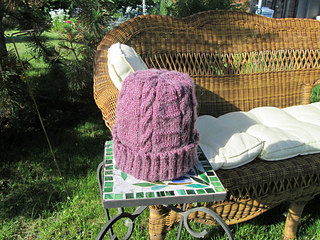
Pattern: Cable Hat - S.R. Kertzer
Yarn: James Brett Aztec


Written -- and knit -- by Margaret, happy TCL employee for whom a little alpaca can go a long way!

References:


Thursday, January 29, 2015

Why Acrylic?

Note: For the purposes of this post acrylic refers to man-made fibers

We have so many beautiful yarns in our store! Cushy alpaca, lovely llama, smooth silk, soft as can be merino, so why would anyone choose to knit with acrylic?

Not only do we have lovely yarns but we have lovely yarn snobs. They are the people who swear that if they walk down the acrylic aisles, the yarn jumps out and attacks them. They claim the yarn squeaks so shrilly when they work with it that the dog has to cover its ears. They are convinced that if they buy acrylic yarn and put it next to their expensive wool, then they will turn into
horrible mutated mutt skeins.

If you can knit with gorgeousness, why would you choose acrylic?

Well, there are lots of reasons.

James C. Brett
Top: Marble Chunky
L-R Dk,, Baby
1. Not all acrylic is horrible. We carry high quality acrylic. It's lovely, it's soft, it's easy to work with, and even some of our beloved yarn snobs will knit with James C. Brett's Marble because it's just that good.

2. Some people are allergic or have skin sensitivities to wool. Even the softest wool. Wool has come a long way since the 80's and it's not all scratchy anymore, but there can still be issues. A few years ago, my sister who lived far away surprised me with a beautiful sweater she had knit out of wool. It was gorgeous! And I couldn't wear it. It was made with high quality wool but it made me itch like crazy. If I put it on I was doing interpretive dance. None of my children could wear it either because they inherited my wool allergy. Sadly, I had to give it away.

Berocco Yarns
L-R Comfort WW, Dk, Sock
When I first started working here, I had to wash my hands a lot. Touching wool would make me itch all over. And it wasn't psychosomatic. Often I would have no idea what I had touched when my hands would start itching.

Miraculously, I can touch most of the yarns in the store now, even the wools, - I guess I built up some kind of immunity - but you still won't find me playing with the roving, learning how to felt, or even knitting wool socks (the idea of sweaty feet in wool reminds me of that fairy tale of the girl who couldn't stop dancing). However I am enjoying merino!

Schachenmayer Bravo Mezzo and Bravo
When you come in to make a gift out of wool, are you sure that the recipient can wear it? If it's for a baby, do you know if baby's sensitive skin is sensitive to wool? Sometimes choosing acrylic is the smarter choice. After all you don't want Mother tearing her hair out trying to figure out where the rash came from. Most mothers don't want to be bald.

3. Easy Care. You are making a beautiful blanket for baby. You have chosen the softest merino wool, or alpaca and you are lovingly creating each stitch for that adorable baby girl in the prettiest pinks and purples you can find. Then you present it to baby's mother with the instructions - you have to hand wash this, lay it flat, then you might have to block it whenever it gets out of shape.

Top: Sirdar Snuggly, Patons Beehive
Baby Sport, James C. Brett Flutterby
Middle: Bernat Pipsqueak
Bottom: Bernat Baby Coordinates
Suddenly that lovely gift has turned into another chore for mom. She may even sincerely promise to take good care of that layette set, but babies are messy. They spit up, they poop, they snot, and moms get busy and suddenly lovingly taking care of that beautiful blanket becomes one more thing in between all the other stuff she has to do. Do you really want her cursing you under her breath every time she has to wash that blanket? Either that blanket will end up in the regular laundry and be ruined, or it will make it's way to the bottom of a drawer never to be seen again.

And if by some chance as baby grows she gets attached to that blanket, then think superman cape, sailboat, flying carpet, stress reliever, sleeping pill, hula skirt, rope to tie up brother, - well, you get it. That blanket will be used for everything and although wool will hold up to it, it won't hold up in the washer and dryer.

So unless that beautiful blanket is destined to be an heirloom used at a christening ceremony, or hung up on a wall where vomit doesn't go, then acrylic is probably best.

And if you think a young man is going to lovingly take care of a wool garment, then guess again. Even superwash wool can't be thrown into the dryer. Basically, if he can't throw it in the washer and dryer then don't do it in wool. He may send his suits and ties out to the cleaners, but probably not a toque.

Bernat Super Value 389 m $7.00
  and Softee Chunky 99M $3.80
4. Price point. We believe everyone should be able to knit, no matter what their economics dictate. Not everyone can plop down a hundred bucks for a sweater. They have other things to think about, like rent and food. Even if you have a woman who's willing to go hungry to buy yarn, she may have a husband and children that wouldn't agree. So for her, she may only be able to afford acrylic yarn and plastic needles. We appreciate her too.

We also have people coming in who want to learn how to knit. Now as we all know, learning something new can lead to a wonderful addictive hobby, or it can mean one more thing buried under that mountain in the closet that everyone denies exists, because if it's acknowledged it will have to be cleaned out. So it makes sense to start with inexpensive yarn and needles. Once the addiction happens, then the wooden needles and flying sheep occur.

Berroco Vintage 52% Acrylic
40 % Wool, 8% Nylon
James C. Brett Aztec Aran
90% Acrylic 10% Alpaca

5. Acrylic materials are frequently blended with natural fibers. In socks that can mean that nylon is added to wool for strength. Or it can be added to create an easier to care for garment. Or it can lower the price. Often when you touch these blended yarns you can't feel the acrylic at all! Although the James C. Brett Aztec has only 10% alpaca, it feels like 100%!

So the next time you feel like you need to carry a wooden cross through the acrylic aisle, just remember, acrylic can be our friend.

Posted by Anna Maria Junus (happy employee that loves acrylic too)